Philippines School Trips & Tours

School trips to the Philippines provide amazing opportunities for students of ecology, conservation and service to fuse hands-on immersive experiences with educational learning opportunities.

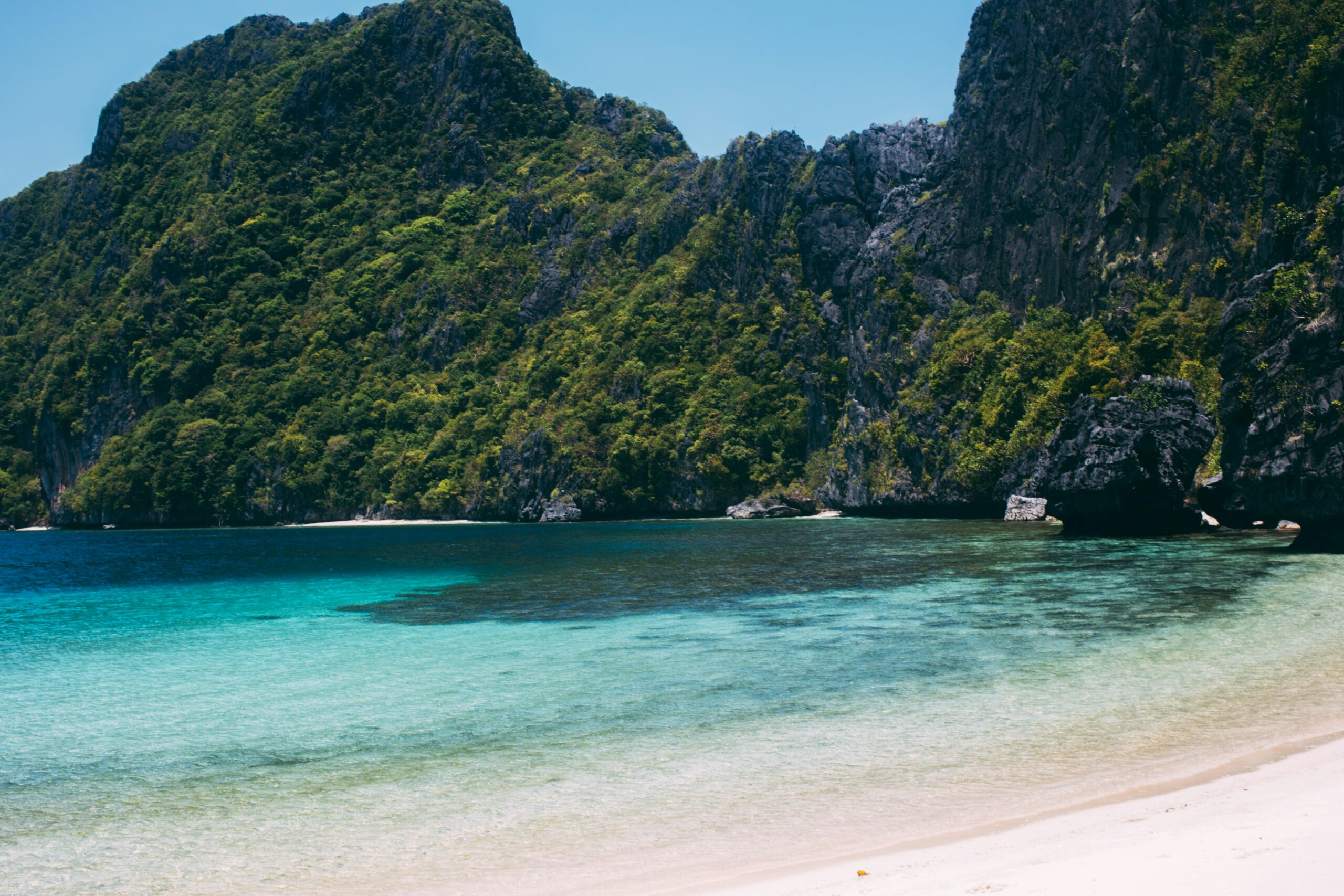
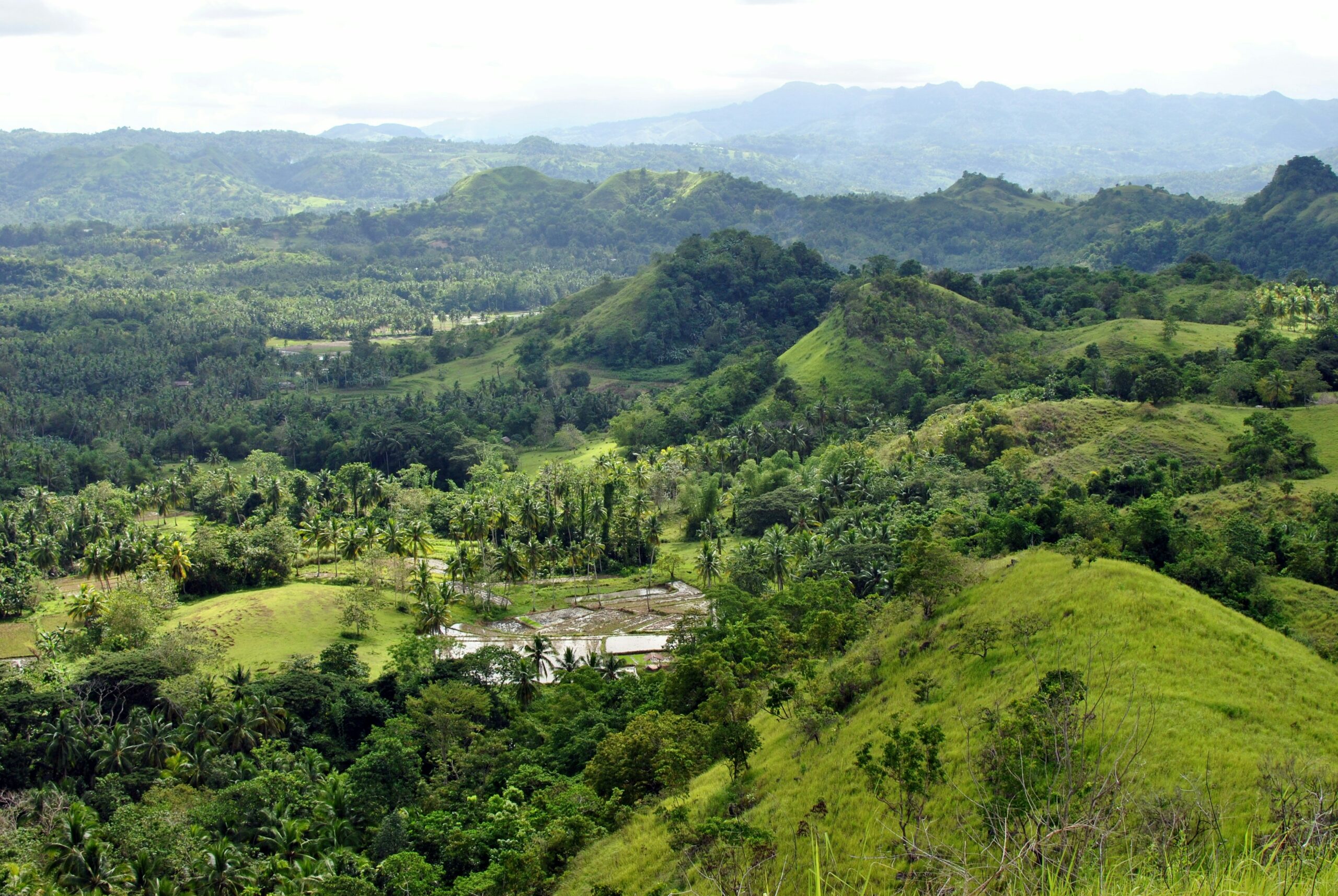
On a school trip to the Philippines, students get up close and personal with the incredible biodiversity and natural environments that the region has become synonymous with. Whether kayaking on Lagen Island, volunteering at a tarsier sanctuary in Bohol, or trekking through the rainforest in Palawan, a Philippines school trip allows students to understand real-world context behind geography, ecology or environmental sciences. Exploring new cultures and taking part in local community projects helps develop personal responsibility and global citizenship.

Explore all our school trips

Explore other Asia School Trips

Why Choose Us?

Feefo logo

How Philippines school trips could benefit your students

Philippines Highlights

Our educational tours to the Philippines visit a number of amazing destinations across the region, chosen because of their opportunities for discovery. Whether exploring from a social or environmental perspective, these destinations offer a chance to uncover a new landscape, culture, or community.  

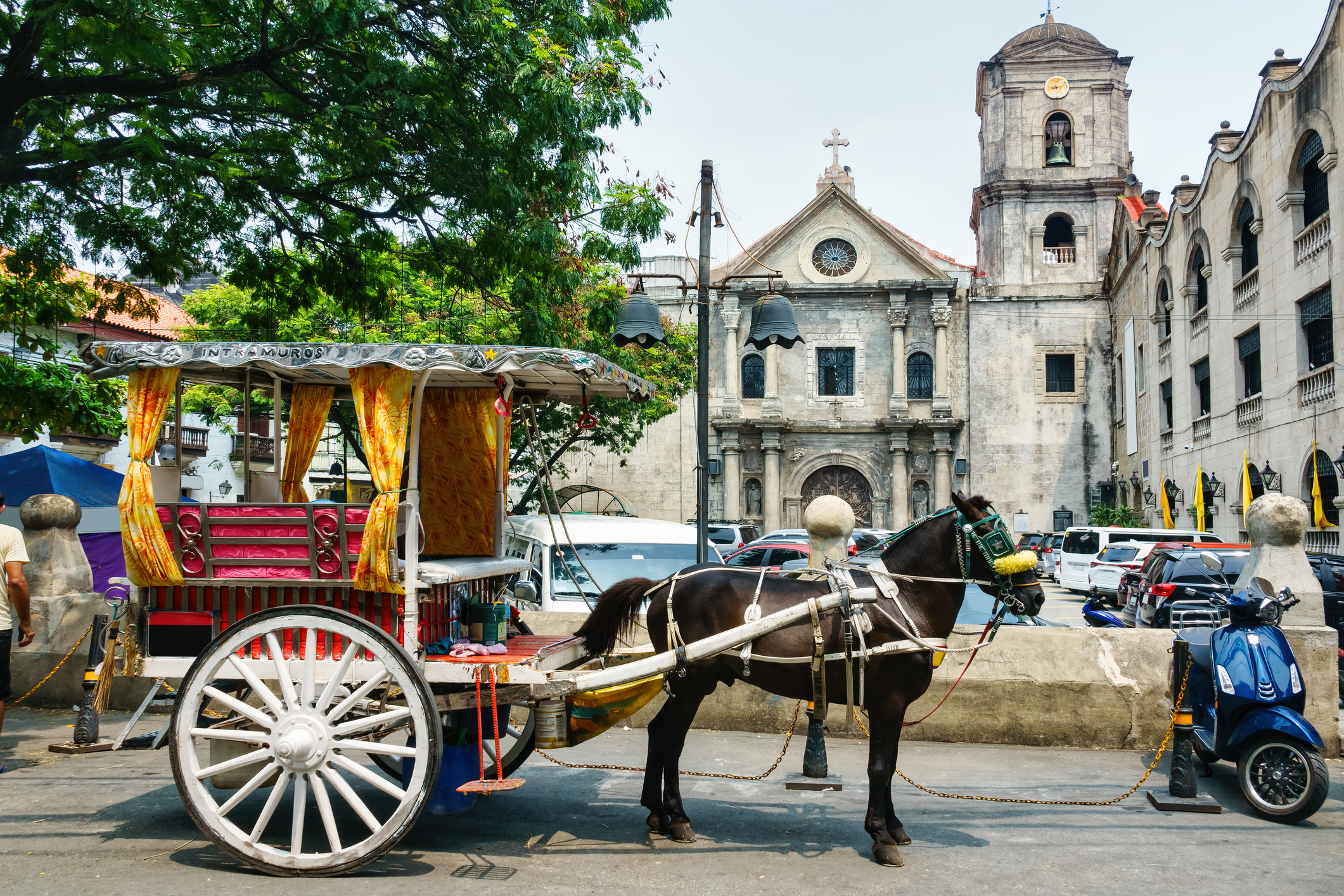
  • Manila: The lively capital of the Philippines is a perfect place to start and end a school trip. While a practical choice logistically, it’s also home to Intramuros, a 16th century walled city, making it an amazing place to explore and an exciting window into regional history and architecture.  
  • Palawan: Known as a biodiversity hotspot and home to many endemic species, a Philippines school trip focused on biology, ecology, or geography is perfectly served by a visit to Palawan’s rainforests, coral reefs, and limestone peaks.  
  • El Nido: With plenty of ocean life, mangrove forests, and opportunities to kayak, El Nido is a great place for students to get hands-on with all things marine science. It’s also home to the Earth School, a unique residential experience with sustainability and innovation at its heart.  
  • Bohol: For service-learning that has real impact, Bohol is the best place to head on a school trip. With community mangrove planting projects, tarsier sanctuaries, and turtle monitoring collectives all based in Bohol, community service is front and center.  
  • Panglao Island: Situated within the Coral Triangle, this slice of paradise is the perfect place for combining water activities like snorkeling and paddleboarding with the chance to explore more of the area’s beautiful landscapes.  

Activities in the Philippines

Mangrove planting community project with Kayakasia

A service-learning school trip to Bohol includes an unforgettable experience with Kayakasia, a local partner in the Philippines. This activity combines the adventure of kayaking with an educational discussion on the importance of mangrove forests, and offers the chance to support the project by planting seedlings. This project is an amazing chance for students of ecology and sustainability to explore local community efforts to preserve ecosystems.

Snorkeling in Palawan

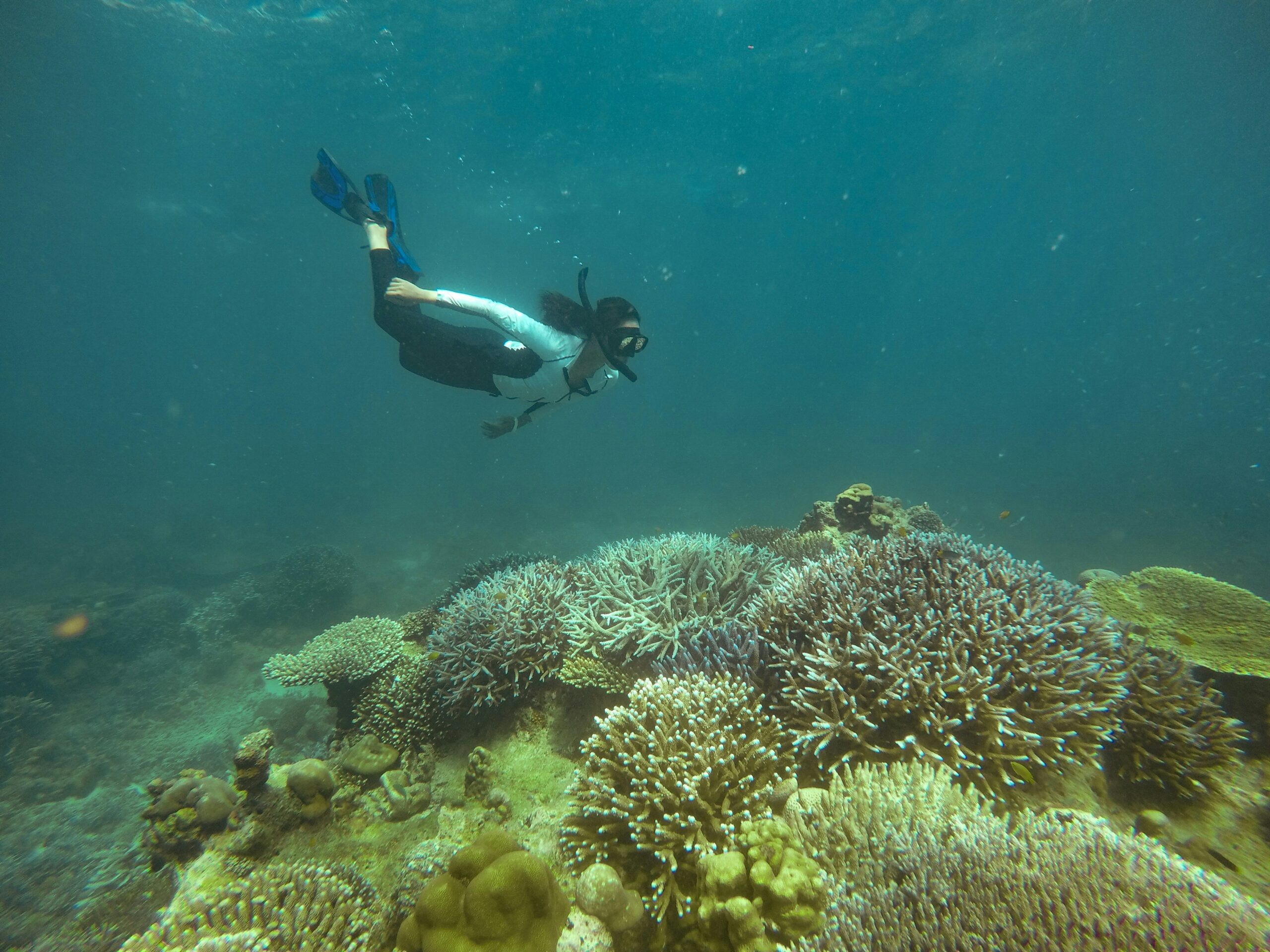
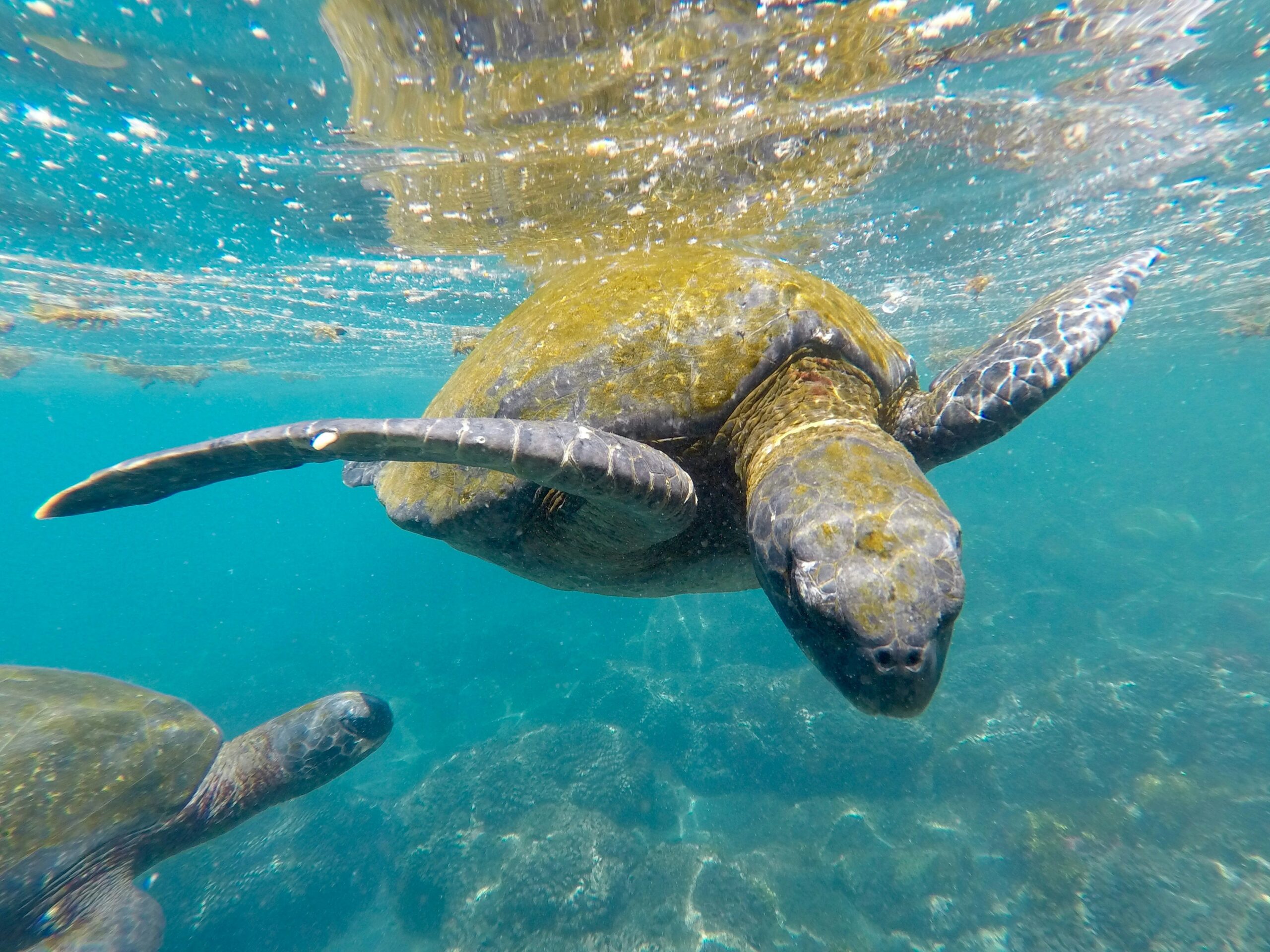
The Philippines is home to boundless marine biodiversity, and Palawan is viewed as one of the most beautiful spots in the world to explore. Led by an expert dive master, students snorkel around the shallows of Palawan and El Nido, where they can expect to see vibrant coral reefs and reef fish, sea turtles, octopuses – and much more.

Tarsier Sanctuary in Bohol

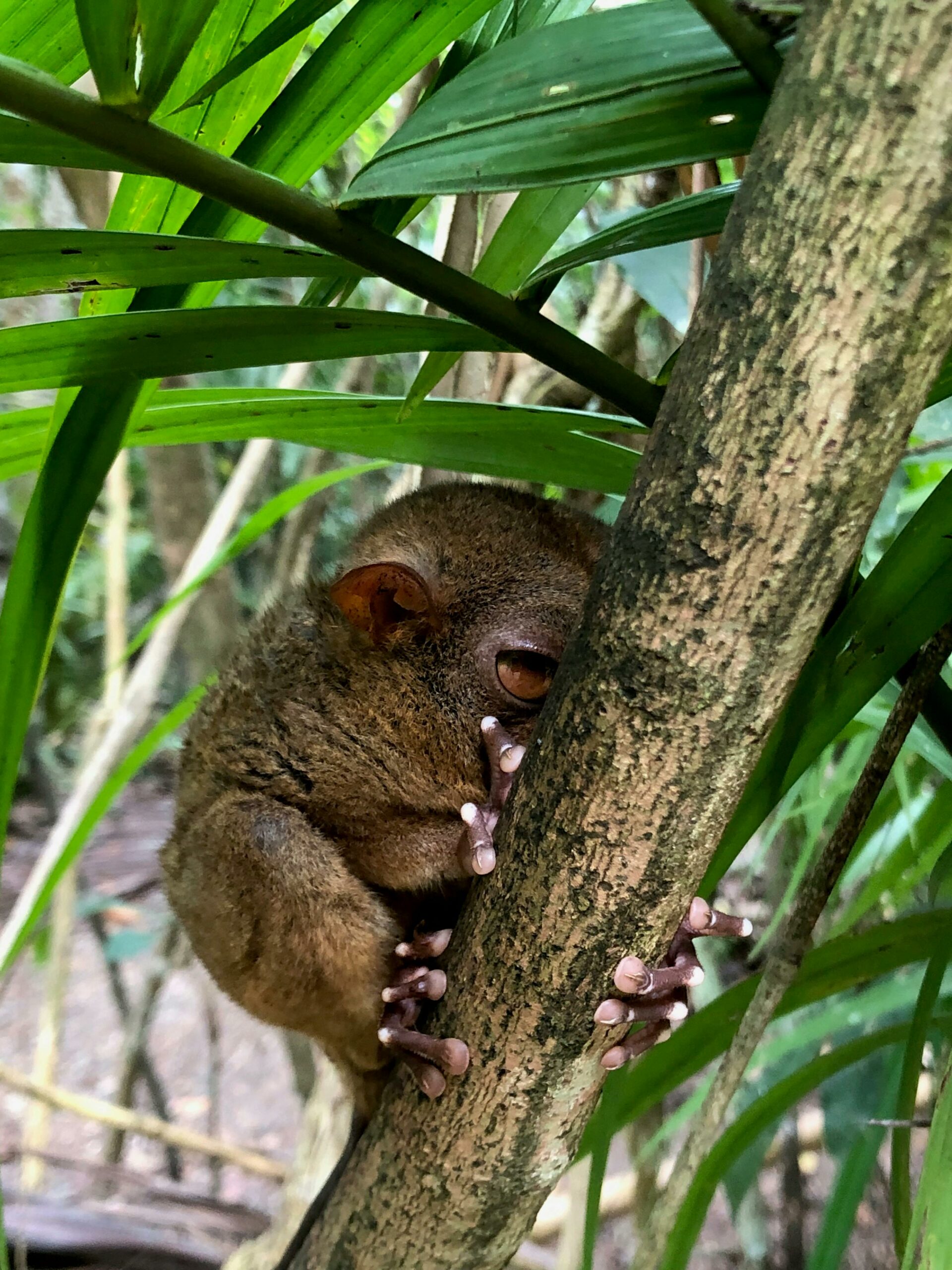
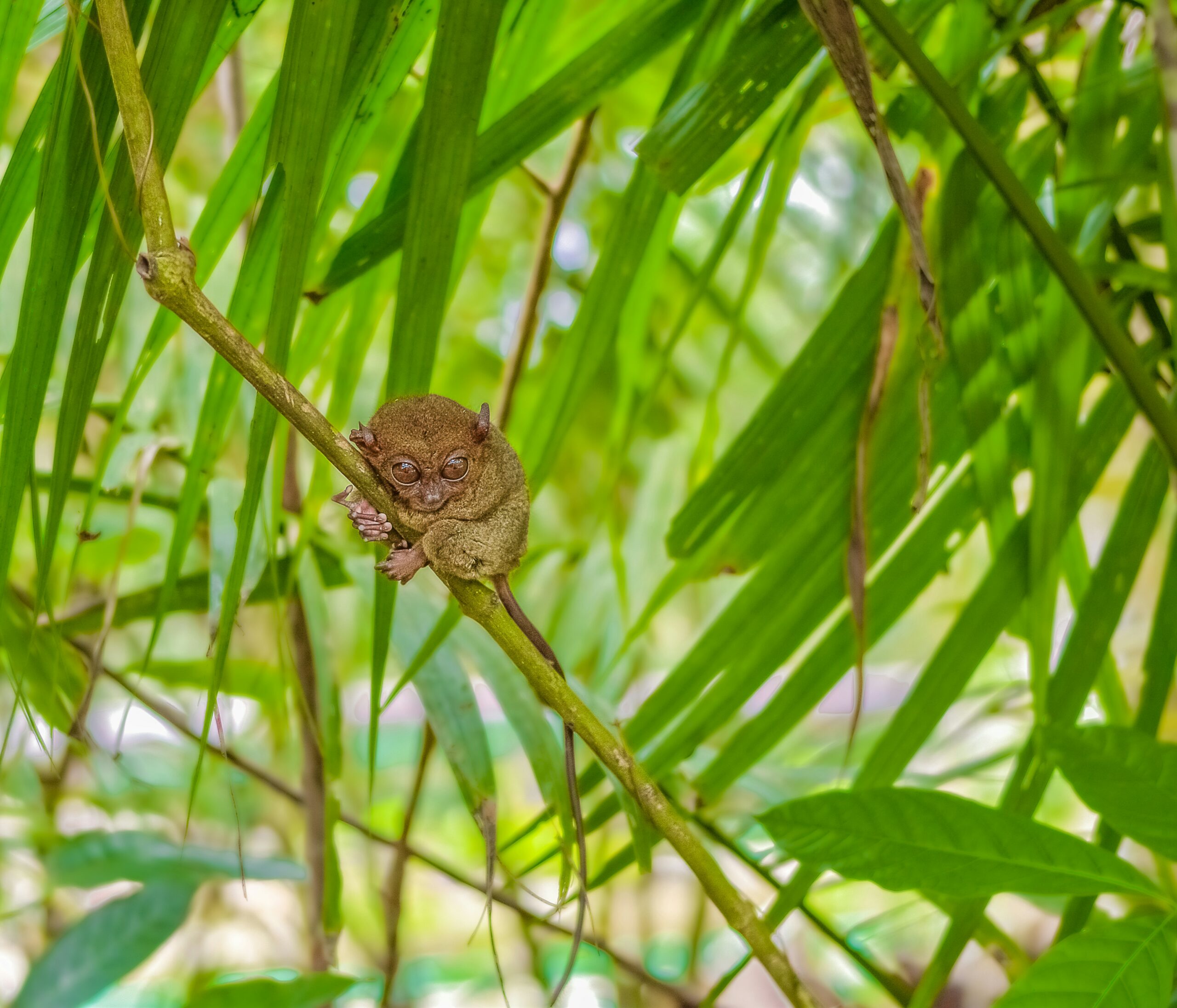
The Philippines is home to the tarsier, one of the world’s smallest primates, and Bohol’s sanctuary has become a haven for the big-eyed animal. Students of biology and biodiversity get the chance to discover the tarsier in their natural habitat, learning from staff more about their habits and conservation status – along with how to be a responsible tourist.

Visit a local school in Bohol

A school trip to the Philippines opens up a rare opportunity to foster true intercultural bonds – by visiting a local school, students learn more about the day-to-day lives of young people in the Philippines, try their hand at a new way of learning, and develop valuable interpersonal skills as they make friends beyond their own cultural context.

Explore Intramuros, Manila’s Walled City

Built in the 16th century by Spanish colonists, Intramuros (‘Within the Walls’) stands as a remarkable landmark that allows students of history, both local and international, and geography to uncover the region’s rich past. Key sites to visit include San Agustin Church, Fort Santiago, Manila Cathedral, and the Casa Manila Museum.

Intramuros, Manila, Philippines

Turtle discovery & monitoring tour in Bohol

For students of environmental sciences, marine biology, and conservation, a chance to head out into the ocean with experts to explore the natural habitats of sea turtles is a must-do. Combining fun with valuable educational insight, students will get an opportunity to snorkel in the local area but will also assist marine scientists with the collection of valuable data on these amazing sea creatures.

A visit to Dalareich Chocolate House

Based in Bohol, a visit to Dalareich Chocolate House while in your Philippines school trip is a must-do. A trip here isn’t just informative – as students learn about the process of making chocolate, from bean to bar it’s delicious, too. Covering everything from harvesting to fermenting, drying to creating the finished product, a visit here provides a window into an important historical – and contemporary – industry in the Philippines.  

Wildlife photography & rainforest hiking in El Nido

Combining further subject-based learning in biology and ecology with the chance to practice a new artistic skill, this experience sees students learn photography tips from a professional wildlife photographer. They’ll then head deep into the rainforest, within which lies the El Nido Bird Sanctuary, where they’ll combine a hike with a competition to see who can capture the best photograph.  

What our customers say

Feefo logo

Why we provide academic travel programs in Philippines school trips:

We’re constantly finding new learning opportunities all throughout Spain for school trips and educational programs. My current favourites are a talk with a journalist or CUP member on the Catalan separatist movement for politics students and a street art tour in Madrid for art students. Our itineraries are full of interactive excursions like these, from artists teaching students their craft to astronomers showing them how to use a telescope to observe the cosmos.

Amy Smith

Educational Specialist Manager

Benefits of a school trip to the Philippines

Case Studies

St. Anne's Catholic High School's Trip to Tokyo

Find out what a school trip to Tokyo is really like. 

Philippines School Trip Expert

Wayne Mercer

Quick Facts

Language

The two official languages of the Philippines are Filipino (Tagalog) and English. While formal education is delivered in Filipino, the national language, English is spoken widely – by around 90% of the population to varying degrees – and is used by the government in many capacities. Overall, however, there are over 180 languages within the Philippines!

Food

Fusing traditional Indigenous dishes with influences from Spain, America and China, Filipino cuisine is a delicious way to learn more about the country’s rich history. On a school trip to the Philippines, students can try delicious dishes including adobo (chicken or pork in a vinegar and soy sauce stew), pata (crispy, spiced pork leg) and lumpia (deep-fried spring rolls).

UNESCO Sites

A school trip the Philippines provides unique opportunities to explore UNESCO World Heritage Sites, provided status in recognition of their global significance. Key sites include the Baroque Churches (such as San Agustin in Intramuros) and the Tubbataha Reef (in the Sulu Sea, off the coast of Palawan).

Yes, our music trips cater to a wide range of skill levels. Whether your students are beginners or advanced musicians, each trip is designed to offer meaningful experiences and opportunities for growth, from group rehearsals to personalized workshops.

Absolutely! We tailor all our itineraries to your learning objectives and travel style. We cater to any programme, from service trips and cultural tours to subject-focused educational trips and faculty-led university programmes. No two trips with us are ever the same.  

We cater to all travel styles, from hostels to four-star hotels. Accommodation must meet our standards and students never share rooms with the public or opposite sex. Regardless of which accommodation you choose, teachers always have a private room.

Whether you choose private or public transportation, we use only reputable safe and trusted modes of transport.  

Our standard plan is 20% at booking, 40% six months before departure and the remaining 40% two months prior. However, we understand that every institution is different, so we endeavour to organise and arrange a payment plan that works for your group.  

Frequently Asked Questions

When is the best time to visit the Philippines on a school trip?

While the Phillipines offers incredible educational and travel value year-round, the best time for a school trip is generally in the dry season, from December to around May. In areas like Manila and El Nido, you can expect good weather that’s perfect for activities and exploring from December to February, but you can expect the entire country to get slightly busier during March or April, for Holy Week.

Can your Philippines school trip itineraries be adapted to my curriculum and requirements?

Yes, they can! Our school trips to the Philippines are customizable to align with your specific curriculum objectives. Whether you’re focusing on earth sciences, culture, or conservation, let us know your requirements and we’ll tailor the trip to meet your needs.

What on-the-ground support does The Learning Adventure provide during our school trip?

When you travel with The Learning Adventure, you’ll be joined by a local Adventure Leader from start to finish. It’s their job to ensure the smooth running of your tour, handling logistics with our Operations team, keeping student morale high, and maximizing your time so that you can get the most educational value from your school trip.

Is there someone on hand in case of emergencies?

Yes – always. While your Adventure Leader is always around to handle any smaller situations that may arise on trip, you’re also supported by a 24/7 emergency line to ensure safety and give you and your students peace of mind 

Related Posts